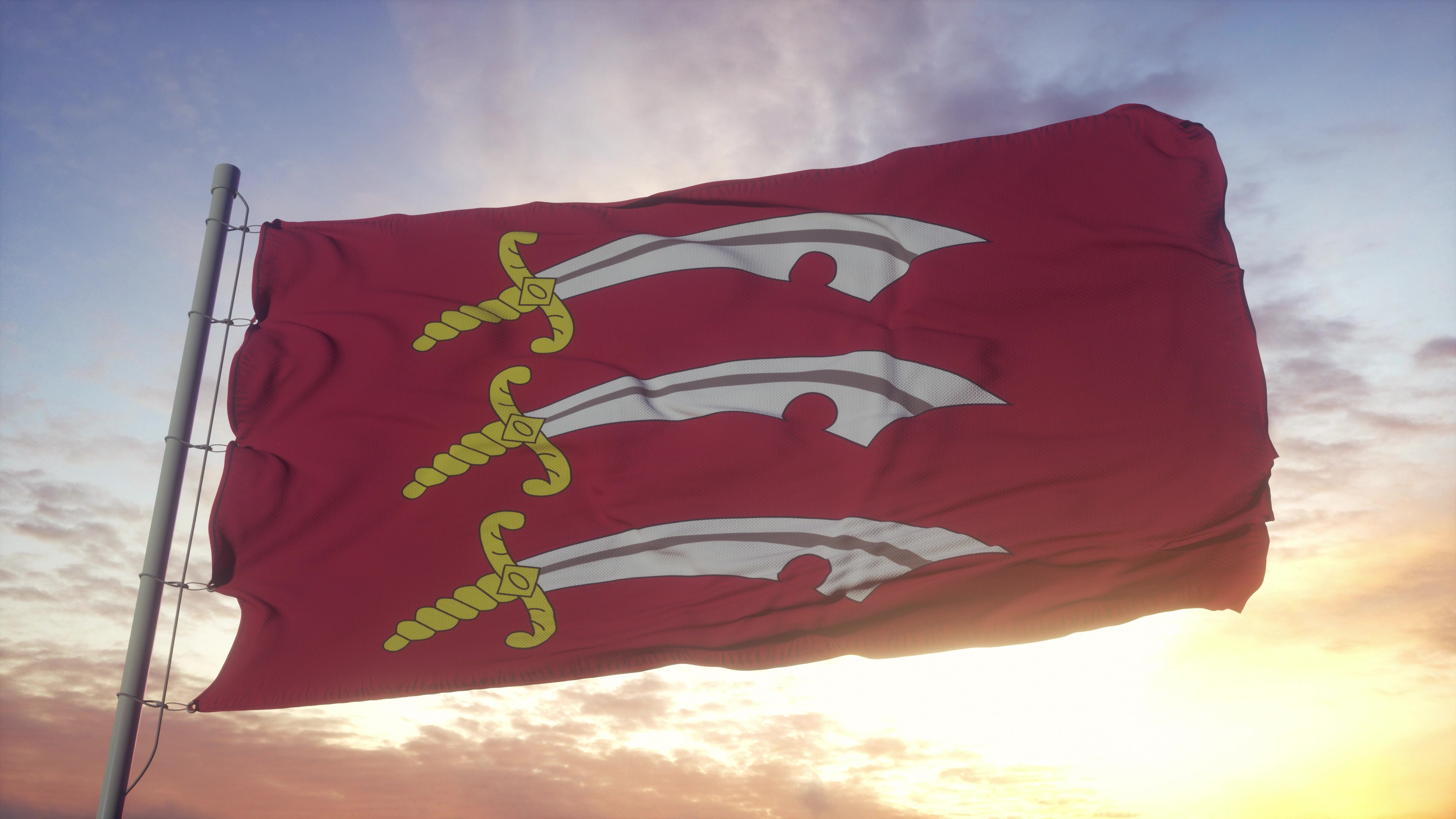
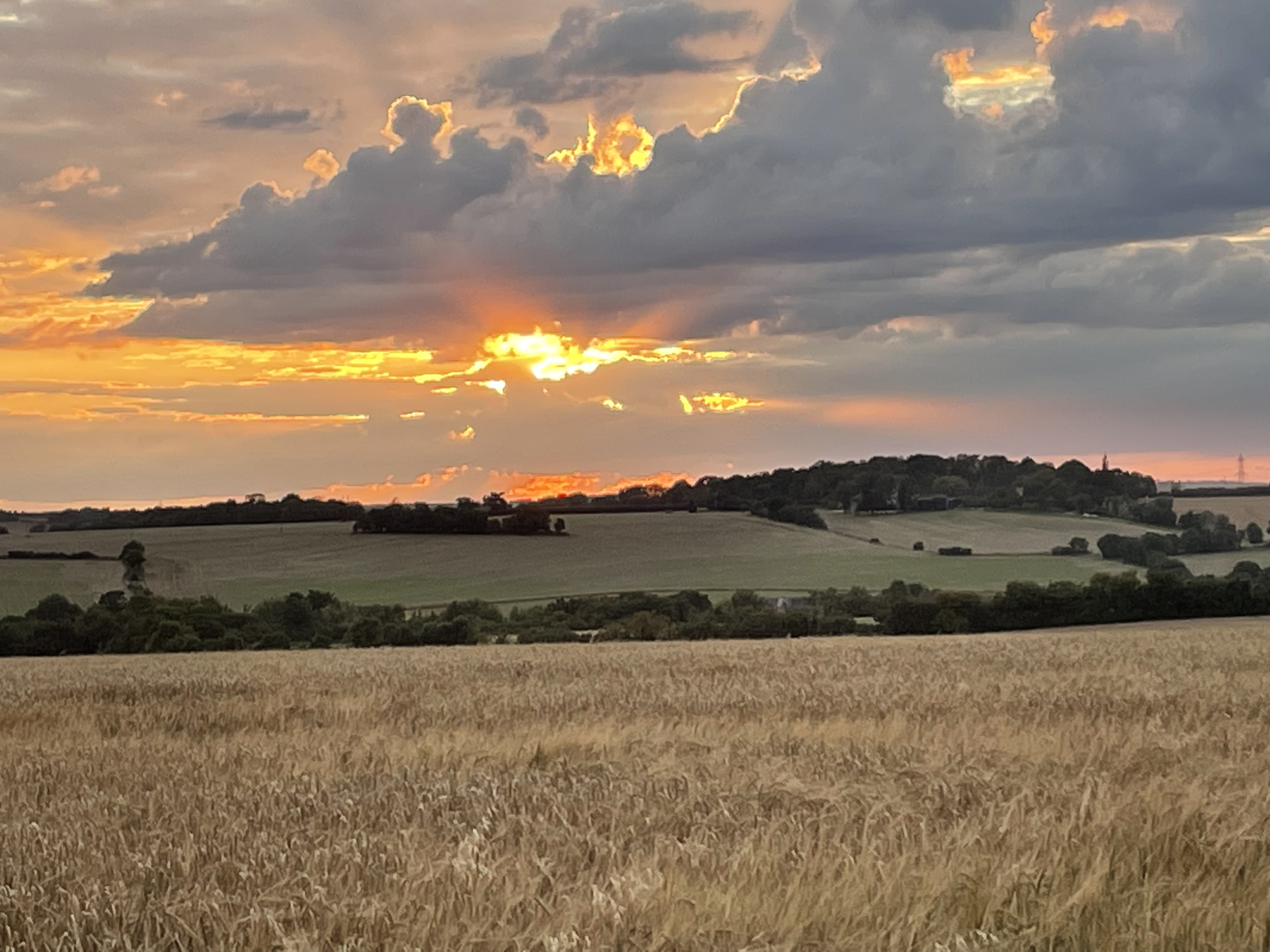
Uttlesford District Council will cease to exist as it merges with Harlow and Epping Forrest to become the West Essex Council under the Local Government reorganisation. Essex County Council will also be closed for good. Essex, as part of a “Greater Essex” area, will instead be represented by a single politician, a Mayor, who will take on those responsibilities from our County Council not undertaken by the West Essex Council. Our Town and Parish Councils will remain as they are under these plans to centralise our County.
Uttlesford District Council was officially formed on 1 April 1974. The council recently celebrated its 50th anniversary. Originally as Udel’s Ford, it is named after a crossing (ford) on the River Cam (or Granta).This ford was located in the parish of Wendens Ambo, on the main road from London to Cambridge (now the B1383).Uttlesford was originally recorded in the Domesday Book of 1086 as a “Hundred.” In Anglo-Saxon and Norman times, a “Hundred” was a geographic division of a county used for administration, military recruiting, and court sessions. In 1086, the Uttlesford Hundred contained roughly 33 places, including many villages that still exist today like Saffron Walden, Newport, and Takeley.
Essex County Council was formally established on 1 April 1889.The council moved its primary meeting location to the newly built County Hall in Chelmsford, where it remains based today in 1938. Essex was “reconstituted” under the Local Government Act 1972. While the council itself already existed, this act significantly reformed its powers, boundaries, and the “two-tier” relationship it has with district councils (like Uttlesford).
Historically, Essex was founded as The Kingdom of the East Saxons (where we get the name Essex), which existed for about 300 years, spanning the early medieval period from the late 6th century until the 9th century. Essex was later ceded to the Vikings as part of the Danelaw, and became part of the East Anglian Kingdom under King Guthrum (879 to 890 AD). Guthrum died in 890 AD and was buried at Hadleigh in Suffolk. After his death, East Anglia remained under Viking control for several more decades until it was reconquered by Alfred’s The Greats son, Edward the Elder, in the early 10th century. Once East Anglia lost it’s Kingship, the title Earl of East Anglia replaced the old title of “King” after the region was reconquered and integrated into a unified England. The Earldom was one of the most powerful positions in Anglo-Saxon England, often held by men who were “king-makers” or rivals to the throne itself. Before he became the last crowned Anglo-Saxon King of England (and famously died at the Battle of Hastings in 1066), Harold was the Earl of East Anglia. As an Earl of East Anglia, Harold Godwinson would have held significant lands and “rights” across the Hundreds of Essex, including the Uttlesford Hundred. After 1066, William the Conqueror appointed Ralph the Gaël as Earl, but Ralph rebelled against the King in 1075 (the “Revolt of the Earls”), and thus East Anglia lost its status as a Earldom and was ruled directly under the crown.